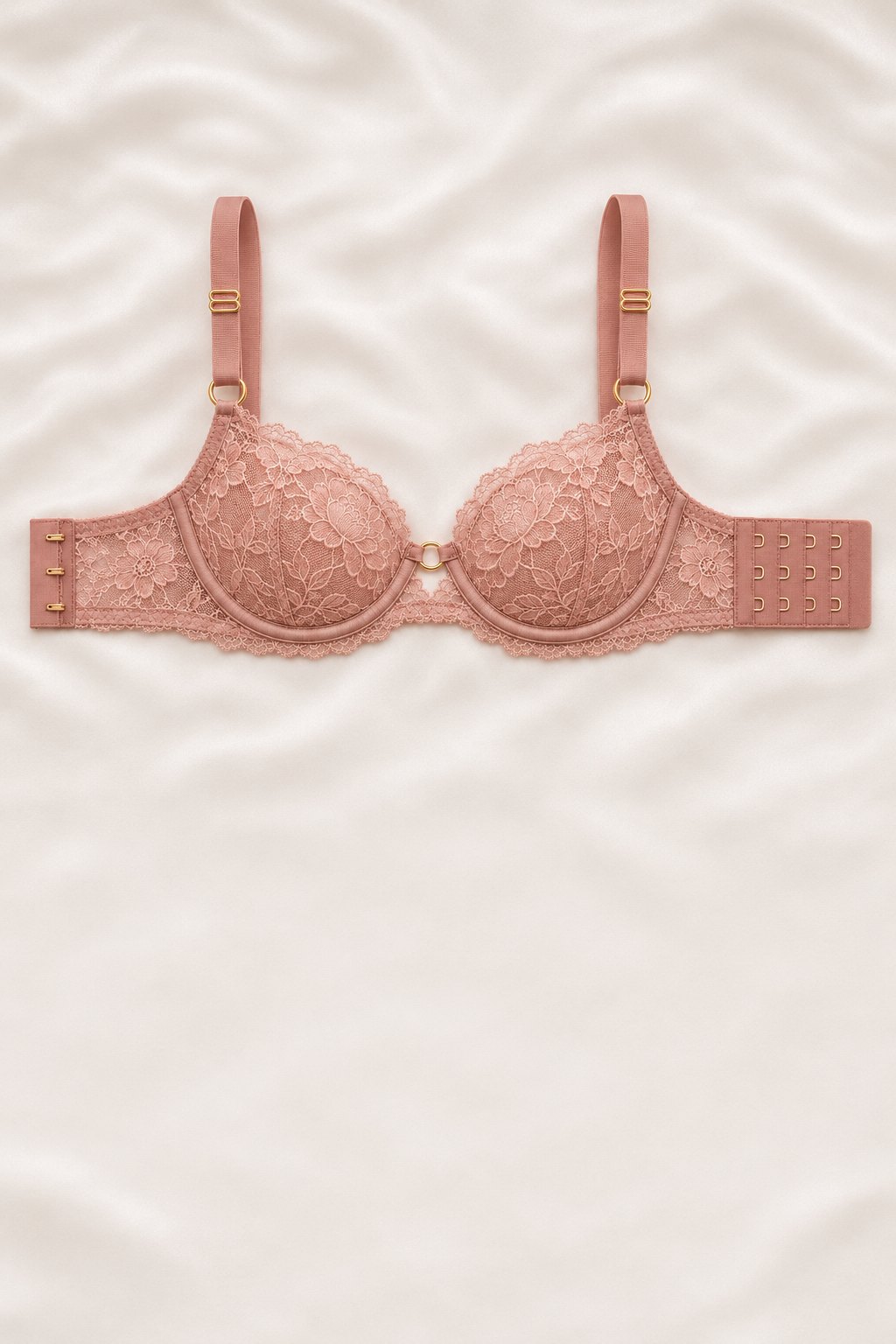
Buyer’s guide
Swimwear Hardware That Survives Chlorine & Salt Water
Swimwear hardware fails when chlorine, salt and sunscreen break through the surface finish and attack the metal underneath. Plated zinc alloy with a sealed top coat is the most common choice, stainless steel is the most corrosion-resistant metal, and nylon-coated metal or plastic avoids exposed plating altogether. Ask every supplier for salt-spray and nickel-release test results.
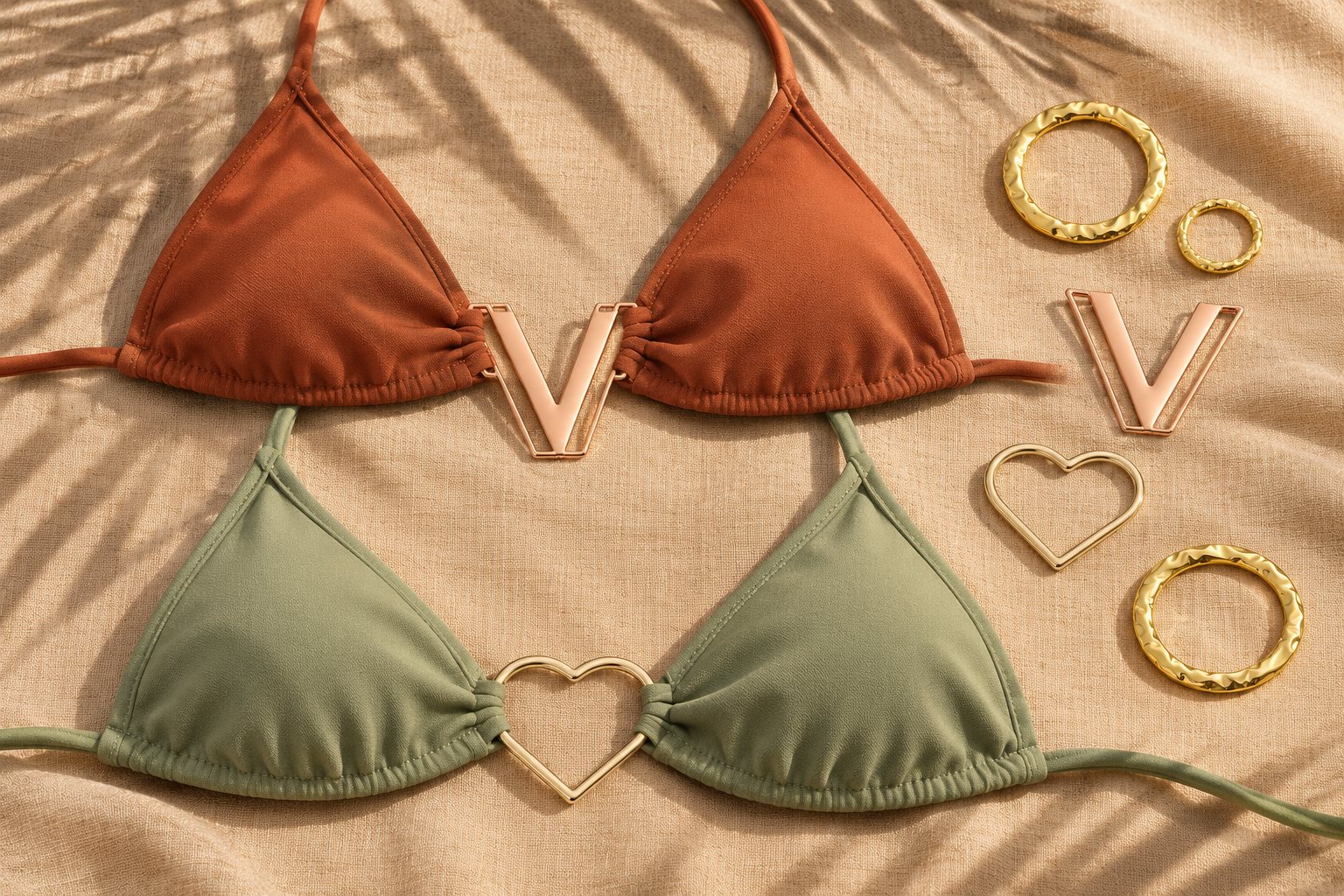
Why does swimwear hardware tarnish?
Pool chlorine, sea salt, sunscreen, body oils and heat all attack metal finishes. On a plated part, damage starts at the thinnest point of the plating: sharp edges, the inside of a slot, or a scratch. Once the base metal is exposed it corrodes, the surface pits or discolours, and the stain can transfer to the fabric.
Which material should I choose?
| Material | Resistance | Look | Note |
|---|---|---|---|
| Plated zinc alloy | Good, when the plating is thick enough and sealed with a clear top coat | Widest range of shapes and colours | The standard for fashion swimwear; quality depends on the plating process |
| Stainless steel | Very good; marine grades resist salt best | Silver tone unless coated | Fewer shapes; higher cost |
| Nylon-coated metal | Very good while the coating is intact | Matte; colour-matched to fabric | No plating exposed to water or skin |
| Plastic | Does not corrode | Clear, coloured or metallised | Lower strength and a less premium feel |
Which tests should I ask for?
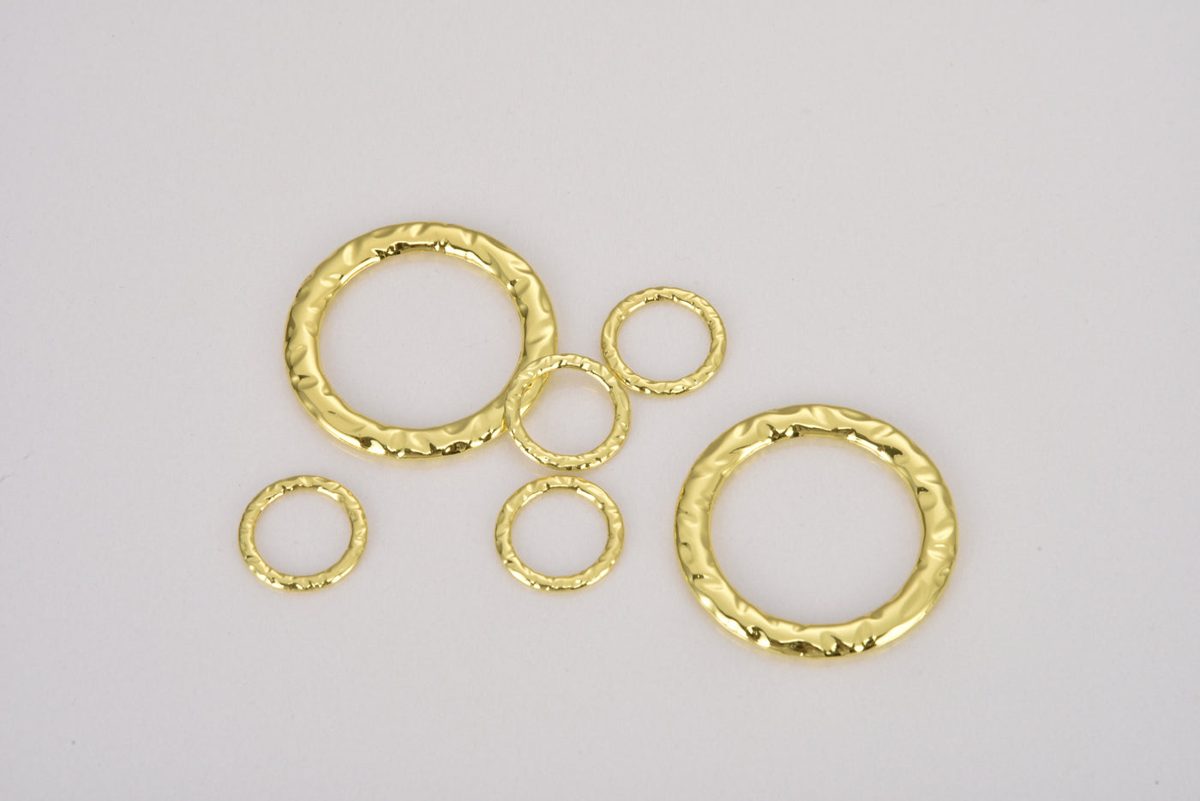
- Neutral salt-spray test (ISO 9227 or ASTM B117). The part sits in a salt fog and the result is given in hours before corrosion appears. Ask for the hours and the pass criteria. BINSHENG’s rose-gold plating passed 48 hours of ISO 9227 neutral salt spray (Bureau Veritas report (9326)111-0088, April 2026).
- Nickel release (EN 1811). In the EU, REACH limits nickel release from articles in direct and prolonged contact with skin to 0.5 µg/cm² per week.
- Chlorinated-water and sea-water soak, followed by a visual check for colour change and for staining on a white fabric swatch.
- Sunscreen and perspiration contact, if your market has had complaints about discolouration.
BINSHENG swimwear trims carry a protective top coat over the plating. A rose-gold plated ring passed 48 hours of ISO 9227 neutral salt spray in a Bureau Veritas test (April 2026); the report is available on request.
What design details make hardware last longer?
- Rounded edges. Plating is thinnest on sharp corners.
- Smooth slots with no burrs, so the fabric does not scrape the finish.
- A sealed top coat over decorative gold and rose gold finishes.
- Enough metal thickness that the part does not flex, since flexing cracks the plating.
What should I specify when ordering?
- That the part is for swimwear, so the supplier quotes a swim-grade finish.
- Shape and size, or a drawing for a custom piece.
- Finish colour and a required salt-spray duration.
- The markets you sell in, for the compliance tests they require.
Frequently asked questions
Does gold swimwear hardware tarnish?
It can. Gold-tone plating lasts when it has enough thickness and a sealed top coat, and when the part has smooth, rounded edges. Ask for the salt-spray result before ordering.
Is stainless steel better than zinc alloy for swimwear?
Stainless steel resists corrosion better as a bare metal. Zinc alloy offers far more shapes and colours and performs well when it is properly plated and sealed.
How should swimwear with metal trims be cared for?
Rinse in fresh water after every wear, especially after a chlorinated pool, and dry it flat in the shade. This removes the salt and chlorine that attack the finish.
See all swimwear hardware and bikini connectors, or request free samples.